Best foods for a healthy heart: the Blood Commander complete list
The best foods for a healthy heart are the least complicated ones: whole, minimally processed foods rich in fibre, healthy fats and colourful plant compounds. No single “superfood” carries a heart-conscious diet — it is the overall pattern, repeated most days, that supports healthy blood, cholesterol and circulation already within a normal range.
The heart-healthy plate, in one place.
- The pattern
- Fill half the plate with vegetables and fruit, a quarter with whole grains, and a quarter with lean protein or legumes.
- Star nutrients
- Soluble fibre, potassium, healthy unsaturated fats, and polyphenol antioxidants from colourful plants.
- Eat more
- Leafy greens, beans, oats, berries, nuts, seeds and oily fish.
- Eat less
- Excess salt, refined carbohydrates, sugary drinks and heavily processed foods.
- Where a supplement fits
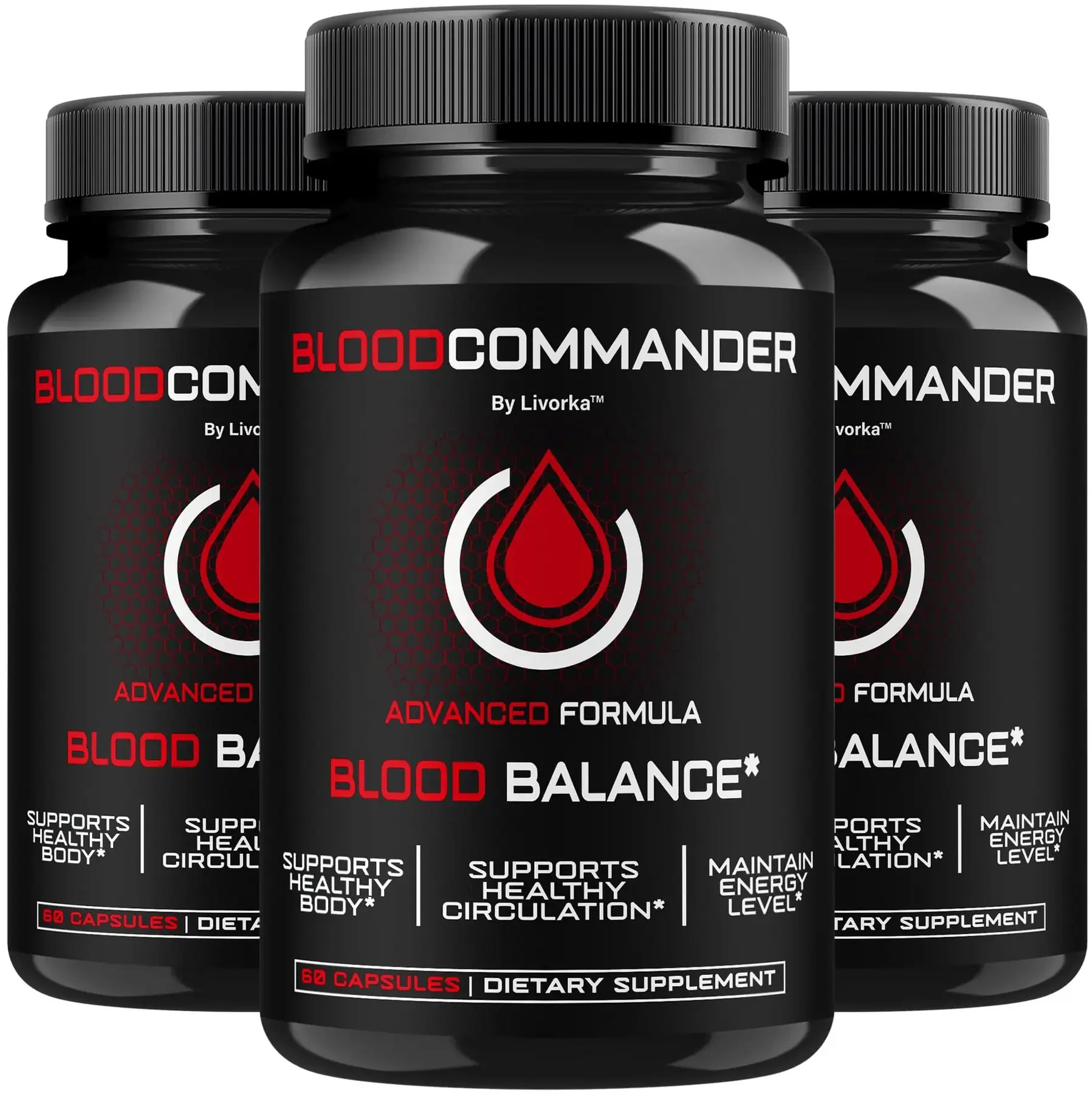
- A blend like Blood Commander complements a fibre-rich diet; it does not replace it.
If the idea of “eating for your heart” feels like a long list of rules, this guide is the antidote. It groups the best foods together, explains why each group earns its place, and finishes with a sample heart-conscious day and where a botanical blend like Blood Commander can fit alongside your meals.
Why does food matter so much for the heart?
Your cardiovascular system responds, meal after meal, to what you put on the plate. Diets heavy in refined carbohydrates, added sugar and excess salt push the system in one direction; diets rich in fibre, potassium, healthy fats and plant compounds nudge it in the other. Fibre is the clearest example: pooling ninety-five years of observational data and dozens of trials, Reynolds and colleagues in The Lancet (2019) reported that the people eating the most dietary fibre had the lowest rates of cardiovascular disease and all-cause mortality. The encouraging part is that you do not need perfection. Adding one heart-friendly food and crowding out one less-helpful one, most days, is enough to shift the balance over time. Food is only half the picture, though: the movement, sleep and stress habits in our guide to supporting healthy circulation naturally do at least as much work, and the two stack.
What are the best food groups for a healthy heart?
1. Leafy greens and colourful vegetables
Spinach, kale, chard and other leafy greens are among the most nutrient-dense foods you can eat, supplying potassium and dietary nitrates the body uses in normal vessel function. Deeply coloured vegetables — peppers, tomatoes, carrots, beets — add a spectrum of antioxidants. Aim to make vegetables the largest part of your plate.
2. Beans, lentils and other legumes
Legumes are a heart-conscious two-for-one: plant protein plus soluble fibre in the same package. Swapping some meat for beans and lentils a few times a week is one of the simplest upgrades you can make.
3. Whole, intact grains
Oats, barley, quinoa and brown rice keep their fibre and slow-release energy, unlike refined flour. Oats and barley in particular are classic sources of beta-glucan, the soluble fibre most studied in a fibre-forward diet: a meta-analysis of randomised trials by Ho and colleagues in the British Journal of Nutrition (2016) found oat beta-glucan lowered LDL cholesterol modestly but consistently across studies.
4. Berries, citrus and whole fruit
Whole fruit delivers fibre, vitamin C and polyphenols. Berries are especially rich in colourful antioxidants, and the fibre in whole fruit is why it is a steadier choice than juice.
5. Nuts, seeds and healthy oils
A small daily handful of almonds or walnuts, a spoon of chia or flax, and olive oil for cooking and dressing all supply the unsaturated fats that anchor heart-conscious eating patterns around the world. A systematic review of nut and seed intake by Arnesen and colleagues in Food & Nutrition Research (2023) found regular nut eaters had a lower risk of cardiovascular disease, although the evidence comes largely from observational cohorts rather than long trials.
6. Oily fish and lean proteins
Salmon, sardines and mackerel provide omega-3 fats; if you do not eat fish, plant sources such as flax, chia and walnuts help. Round out protein with poultry, eggs, tofu and Greek yoghurt in sensible portions.
See how Blood Commander fits your meals →
A nutrient-at-a-glance table
Different heart-friendly foods bring different strengths. This table maps the star nutrients to the foods that supply them, so you can build variety into a week.
| Nutrient | Why it matters | Where to find it |
|---|---|---|
| Soluble fibre | Helps the body manage dietary fats; keeps digestion steady | Oats, barley, beans, apples, psyllium husk |
| Potassium | Works with sodium in normal fluid balance | Leafy greens, beans, potatoes, bananas |
| Unsaturated fats | The fats that anchor heart-conscious diets | Olive oil, nuts, seeds, avocado, oily fish |
| Omega-3 fats | Studied for general cardiovascular wellness | Salmon, sardines, mackerel, flax, chia |
| Polyphenols | Naturally occurring plant antioxidants | Berries, green tea, dark leafy greens, cocoa |
What should you eat less of?
Just as important as what you add is what you crowd out. The biggest levers here are excess salt (mostly hidden in processed and restaurant food), refined carbohydrates and added sugar, sugary drinks, and heavily processed convenience foods. You do not have to banish them entirely; simply make them the exception rather than the everyday.
- Sugary drinks — the fastest source of added sugar; swap for water, sparkling water or unsweetened tea.
- Refined grains and pastries — trade white bread and packaged sweets for whole-grain versions and fruit.
- Processed and cured meats — keep them occasional rather than daily.
- High-salt convenience food — cook at home more often and season with herbs and spices.
What does a heart-conscious day look like?
Putting it together is easier than it sounds, and it is close to the Mediterranean pattern that Martínez-González and colleagues reviewed in Revista Española de Cardiología (2024) — olive oil, vegetables, legumes, nuts, fish and whole grains, with little processed food. Here is a simple template you can adapt to your own tastes:
- Breakfast: oats cooked with milk or a plant alternative, topped with berries and a spoon of nuts or seeds.
- Lunch: a large salad with leafy greens, beans or lentils, colourful vegetables and olive oil, plus a whole grain.
- Dinner: oily fish or tofu with a big serving of vegetables and a whole grain such as quinoa or brown rice.
- Snacks: whole fruit, a small handful of nuts, or plain Greek yoghurt.
- Drinks: water, sparkling water and unsweetened tea or coffee.
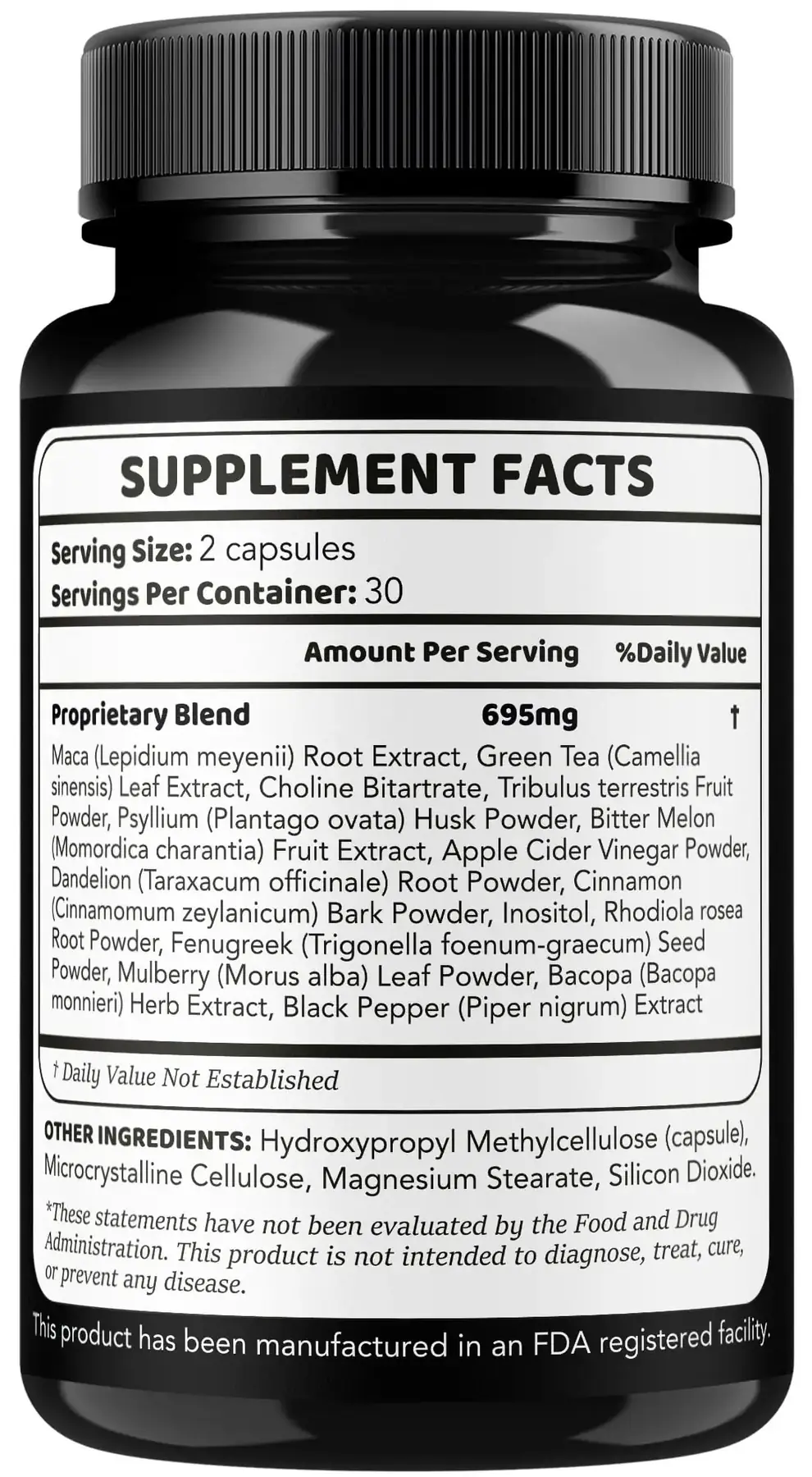
- Supplement: if you use one, take Blood Commander — two capsules with water — at the same time each day.
Pair your plate with a daily blend
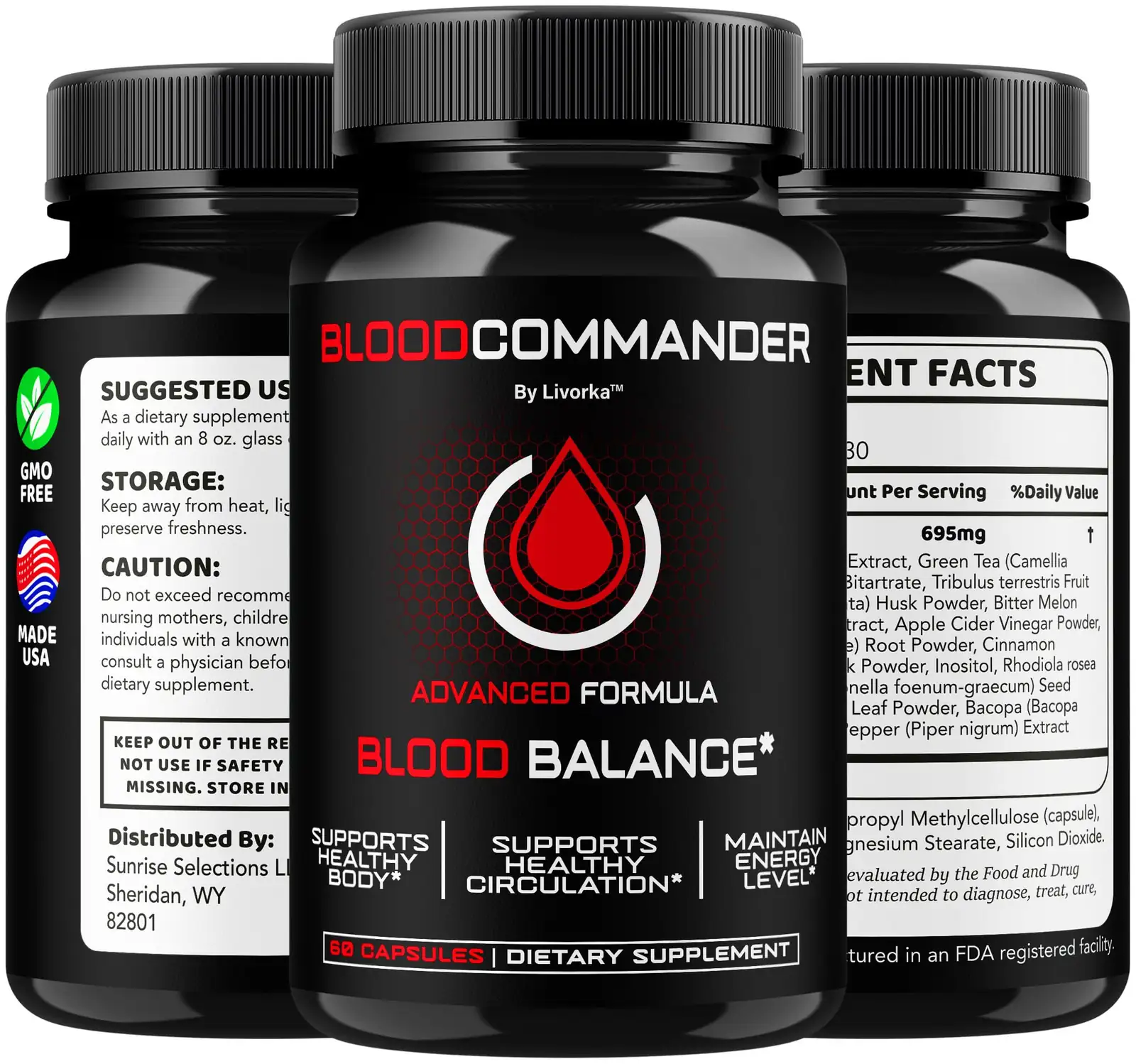
Blood Commander is a once-daily, two-capsule serving built on a 695 mg botanical blend — cinnamon, bitter melon, fenugreek, psyllium and more. The six-bottle bundle is the best value at $49 per bottle, with free U.S. shipping and a 60-day guarantee.
Order Blood Commander — from $49/bottleWhere does a supplement fit?
Food comes first, always. A supplement is exactly that — something taken in addition to, not instead of, a balanced diet and regular activity. Blood Commander’s botanical blend is designed to complement the pattern in this guide, bringing together plants such as cinnamon, fenugreek, bitter melon, psyllium husk and green tea that many people already associate with a heart-conscious routine. Before you assume any of them does much on its own, it is worth reading what the trials on cinnamon, fenugreek and bitter melon actually measured, and at what doses. See the full ingredients and the Supplement Facts panel for exactly what is inside.
When should you talk to a doctor?
Dietary changes are for supporting a heart already within a normal range; they are not a replacement for medical care. Speak with your doctor or a registered dietitian if you have a diagnosed condition, take medication, are pregnant or nursing, or want tailored advice — especially before making large changes to your diet or starting a new supplement.
Frequently asked questions
What are the best foods for a healthy heart?
Whole, minimally processed foods rich in fibre, healthy fats and plant compounds: leafy greens, beans and lentils, oats and whole grains, berries and citrus, nuts and seeds, oily fish, and plenty of vegetables. Go easy on excess salt, refined carbohydrates and sugary drinks.
Does fibre really help heart health?
Soluble fibre, such as that from oats, beans and psyllium husk, is one of the most useful nutrients for a heart-conscious diet because it helps the body manage dietary fats and keeps digestion steady. Most people eat far less fibre than recommended.
Are eggs and coffee bad for the heart?
For most healthy adults, eggs in moderation and unsweetened coffee or tea fit comfortably in a heart-conscious diet. As always, personal circumstances vary, so ask your doctor about your own situation.
How much salt should I aim for?
Most people benefit from cutting excess sodium, most of which comes from processed and restaurant food rather than the salt shaker. Cooking at home, reading labels and seasoning with herbs and spices are the simplest ways to lower it.
Can a supplement replace a heart-healthy diet?
No. A supplement such as Blood Commander is designed to complement a balanced, fibre-rich diet and regular activity, not to replace them. Food first, always.
What does a heart-conscious day look like?
Oats with berries and nuts at breakfast, a big salad with beans and olive oil at lunch, fish or tofu with vegetables and a whole grain at dinner, and fruit, nuts or yoghurt as snacks, with water or unsweetened tea to drink.
Try Blood Commander risk-free for 60 days →
Blood Commander is a dietary supplement, not a treatment for any medical condition. These statements have not been evaluated by the Food and Drug Administration. This product is not intended to diagnose, treat, cure or prevent any disease. Always consult a qualified healthcare professional about your individual needs.
References & further reading
- National Center for Complementary and Integrative Health (NCCIH). Green Tea. nccih.nih.gov/health/green-tea
- Examine.com. Psyllium. examine.com/supplements/psyllium
- Examine.com. Apple Cider Vinegar. examine.com/supplements/apple-cider-vinegar
- National Institutes of Health, Office of Dietary Supplements. Choline — Fact Sheet for Health Professionals. ods.od.nih.gov/factsheets/Choline-HealthProfessional
- Reynolds A, Mann J, Cummings J, et al. Carbohydrate quality and human health: a series of systematic reviews and meta-analyses. The Lancet, 2019. PMID 30638909
- Ho HVT, Sievenpiper JL, Zurbau A, et al. The effect of oat beta-glucan on LDL-cholesterol, non-HDL-cholesterol and apoB for CVD risk reduction: a systematic review and meta-analysis of randomised controlled trials. British Journal of Nutrition, 2016. PMID 27724985
- Arnesen EK, Thorisdottir B, Bakken T, et al. Nuts and seeds consumption and risk of cardiovascular disease, type 2 diabetes and their risk factors: a systematic review and meta-analysis. Food & Nutrition Research, 2023. PMID 36816545
- Martínez-González MÁ, Hershey MS, Barbagallo M, et al. Effect of the Mediterranean diet in cardiovascular prevention. Revista Española de Cardiología, 2024. PMID 38336153
These references describe foods and ingredients in general terms and do not constitute evidence that any product treats, cures or prevents any condition.
Keep reading: how to support healthy circulation naturally · how cinnamon, fenugreek and bitter melon work · back to the Blood Commander blog · homepage.