How to support healthy circulation naturally: the Blood Commander guide
To support healthy circulation naturally means using everyday food, movement, sleep and stress habits — and, if you choose, well-studied nutrients and botanicals such as cinnamon, fenugreek and psyllium fibre — to help keep blood and circulation that is already within a normal range on steadier ground. It is about consistency over extremes, and it works alongside, not instead of, the guidance of your doctor.
The fastest route to steadier circulation, in one place.
- The goal
- Keep blood flowing smoothly and vessels flexible by supporting the everyday habits your heart and circulation rely on.
- Biggest levers
- What you eat and how you move matter most — fibre, vegetables, healthy fats, less salt, regular movement and good sleep.
- Simple daily win
- A brisk 10-to-15-minute walk keeps working muscles pumping blood and is one of the easiest circulation habits to keep.
- Where supplements fit
- Botanicals such as cinnamon, fenugreek, green tea and psyllium fibre can support the routine, but they are not a treatment for any disease.
- Timeframe
- Movement helps the same day; broader diet, weight and fitness changes usually show over several weeks to a few months, and results vary.
If you have ever noticed cold hands, a mid-afternoon slump or heavy legs after a long day at a desk, you have felt circulation in the background of daily life. For most people the aim is simply steadier ground, and the levers with the most influence are the everyday ones. This guide walks through them in plain language and shows where a botanical formula like Blood Commander can play a supporting role.

What does it mean to support circulation naturally?
Supporting circulation naturally is the practice of using diet, activity, sleep and stress management to help your cardiovascular system do what it already does: move oxygen-rich blood around the body smoothly. It is not a cure; it is a set of small, repeatable choices that keep the whole system working comfortably. Two ideas anchor everything below: consistency beats intensity, and these habits stack — each helps a little, and together they help a lot.
Why does circulation need everyday support?
Your heart pumps roughly the same volume of blood every day of your life, through a network of vessels that stays healthiest when it is used and well nourished. Several ordinary factors work against that network: diets heavy in salt and refined carbohydrates, long sedentary stretches, extra weight, poor sleep and chronic stress. None of these is a disease on its own, but together they nudge the system toward stiffness and sluggishness. The good news is that each is something you can nudge back in the other direction, and the returns compound over time.
Below are the habits with the most leverage, roughly in order of impact. You do not need to adopt all of them at once; pick one, let it become automatic, then add the next.
What are the most effective everyday habits?
1. Build meals around fibre, vegetables and healthy fats
Fibre is one of the most useful nutrients for a healthy heart, because soluble fibre helps the body manage dietary fats and keeps digestion steady; vegetables add potassium and plant compounds, while healthy fats from nuts, seeds and oily fish round out a heart-conscious plate. An updated meta-analysis of prospective cohorts by Ramezani and colleagues in Clinical Nutrition (2024) found higher dietary fibre intake tracked with lower all-cause and cardiovascular mortality, which is about as strong as observational nutrition evidence gets. Aim for half your plate non-starchy vegetables, a quarter lean protein, a quarter whole, intact carbohydrates. For the food-by-food version of this, see our list of the best foods for a healthy heart.
Foods that support healthy circulation include:
- Leafy greens and beets — natural sources of dietary nitrates that the body uses in normal vessel function; beetroot juice was pooled against blood pressure in hypertensive adults by Benjamim and colleagues in Frontiers in Nutrition (2022).
- Oats, beans and lentils — soluble fibre for a heart-conscious, fibre-forward diet; the same fibre family as psyllium, which Jovanovski and colleagues pooled against LDL cholesterol in the American Journal of Clinical Nutrition (2018).
- Berries and citrus — colourful fruit rich in polyphenols and vitamin C.
- Nuts and seeds — almonds, walnuts, chia and flax for healthy fats and fibre.
- Oily fish — salmon, sardines and mackerel for omega-3 fats.
- Herbs and spices over salt — season with cinnamon, garlic and pepper to lean on flavour rather than sodium.
2. Move often, and break up sitting
Muscles are the engine that keeps blood moving, so the single most reliable circulation habit is simply to move more often. A brisk 10-to-15-minute walk, especially after your largest meal, keeps blood flowing and supports how flexibly your vessels respond. Over the longer term, regular aerobic activity plus a little resistance training supports a healthy heart — and walking, cycling, gardening and bodyweight moves all count, no gym required. If you work at a desk, stand and stretch every 30 to 60 minutes to keep the legs from pooling blood. The cost of not doing so is measurable: a meta-analysis of prospective cohorts by Onagbiye and colleagues in Preventive Medicine (2024) found longer daily sedentary time was associated with higher cardiovascular disease risk and cardiovascular mortality.
3. Watch salt, and keep hydrated
Excess sodium is one of the most common dietary pressures on the cardiovascular system, and most of it hides in processed and restaurant food rather than the salt shaker. Cooking more at home, reading labels and leaning on herbs and spices for flavour all help. Water, unsweetened tea and coffee are steadier choices than sugary drinks — and green tea in particular is a rich natural source of polyphenol antioxidants, pooled against blood pressure in randomised trials by Khalesi and colleagues in the European Journal of Nutrition (2014), who reported small average reductions.
4. Protect your sleep and manage stress
Sleep and stress are the quiet influencers. A short night and chronic stress both raise stress hormones that keep the cardiovascular system on alert. Seven to nine hours of regular sleep, plus simple decompression — a walk, slow breathing, time outdoors — supports steadier circulation in ways no supplement can replace.
5. Mind your weight and your waistline
Carrying less excess weight, especially around the middle, eases the everyday load on the heart and vessels. This is less about a number on the scale than about the direction of travel: small, sustainable changes to food and movement that you can keep for years, not weeks.
See how Blood Commander fits your routine →
Which nutrients are part of the conversation?
Supplements are a supplement to the habits above, not a substitute, and never a treatment for any condition. Still, a handful of botanicals and nutrients have long been part of the heart- and blood-wellness conversation. Here is a snapshot of the best-known ones, several of which appear in Blood Commander.
| Nutrient | Why it is discussed | Traditional / general role |
|---|---|---|
| Cinnamon | Culinary botanical | A familiar spice long used in wellness traditions focused on everyday metabolic balance. |
| Fenugreek | Fibre-rich seed | Used for centuries in cooking and traditional wellness; common in heart- and blood-focused blends. |
| Psyllium husk | Soluble fibre | One of the best-known fibres for a fibre-forward, heart-conscious diet. |
| Green tea | Polyphenol source | A rich natural source of antioxidants, widely studied for general cardiovascular wellness. |
| Bitter melon | Traditional food | Long used across Asia, Africa and the Caribbean in blood-conscious wellness traditions. |
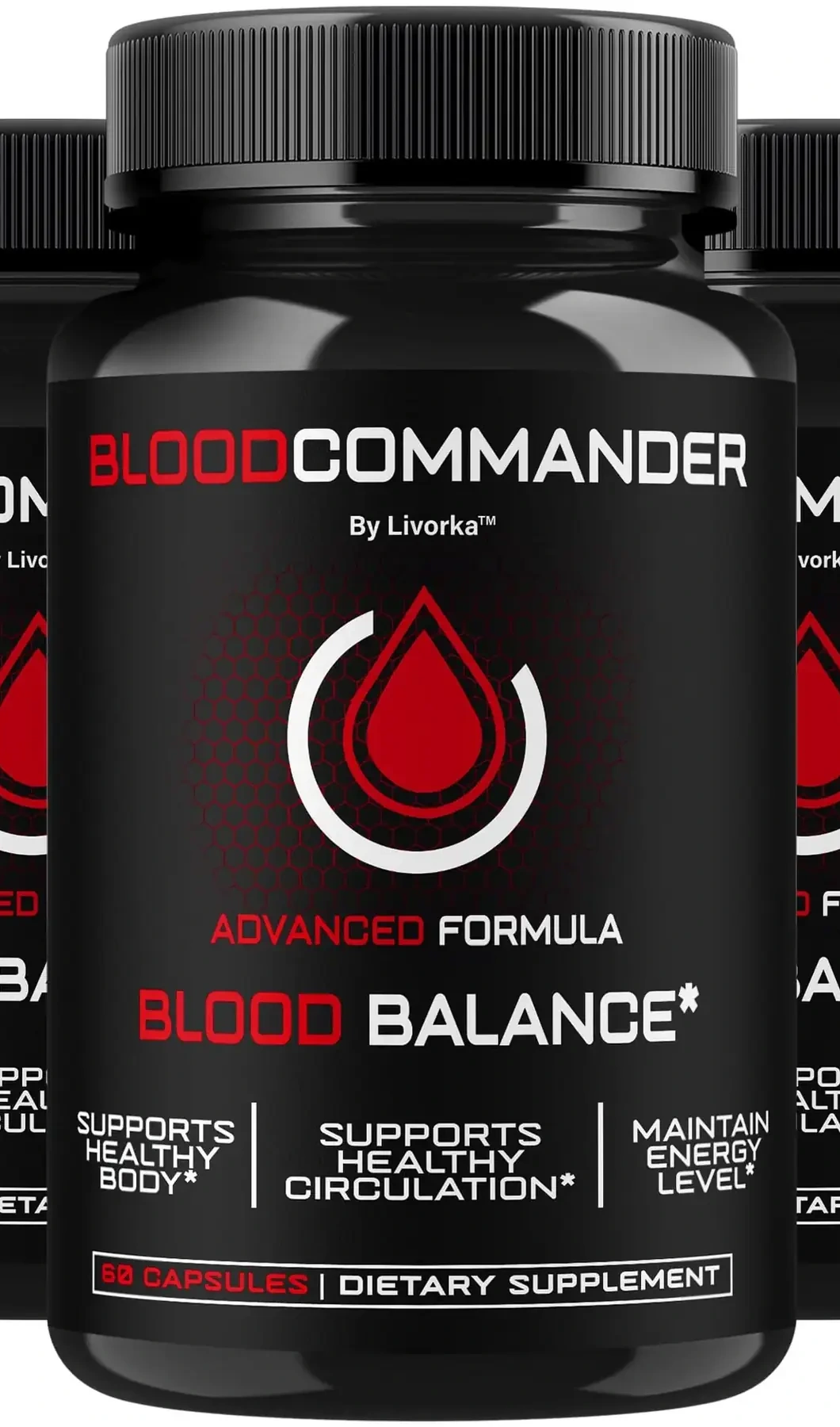
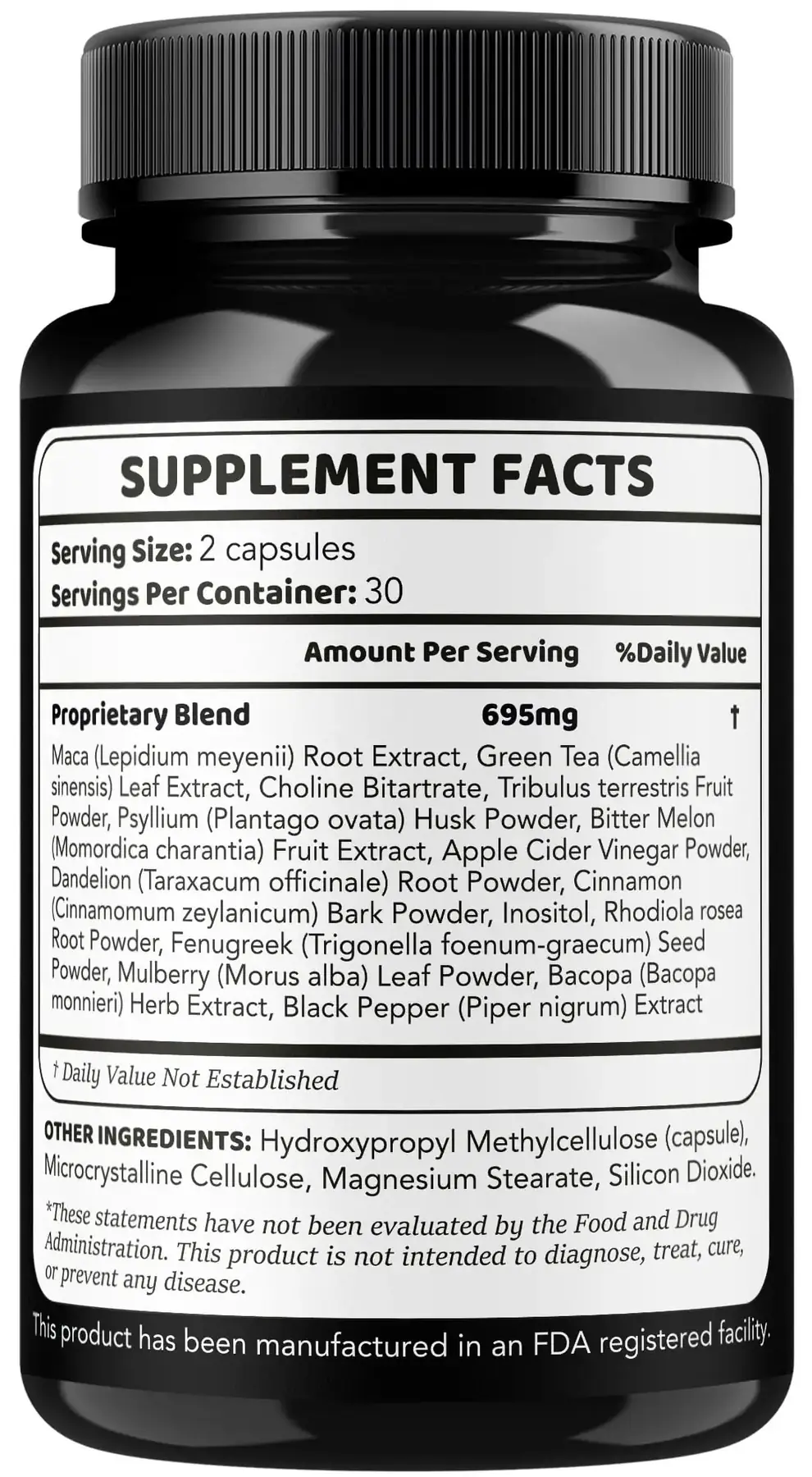
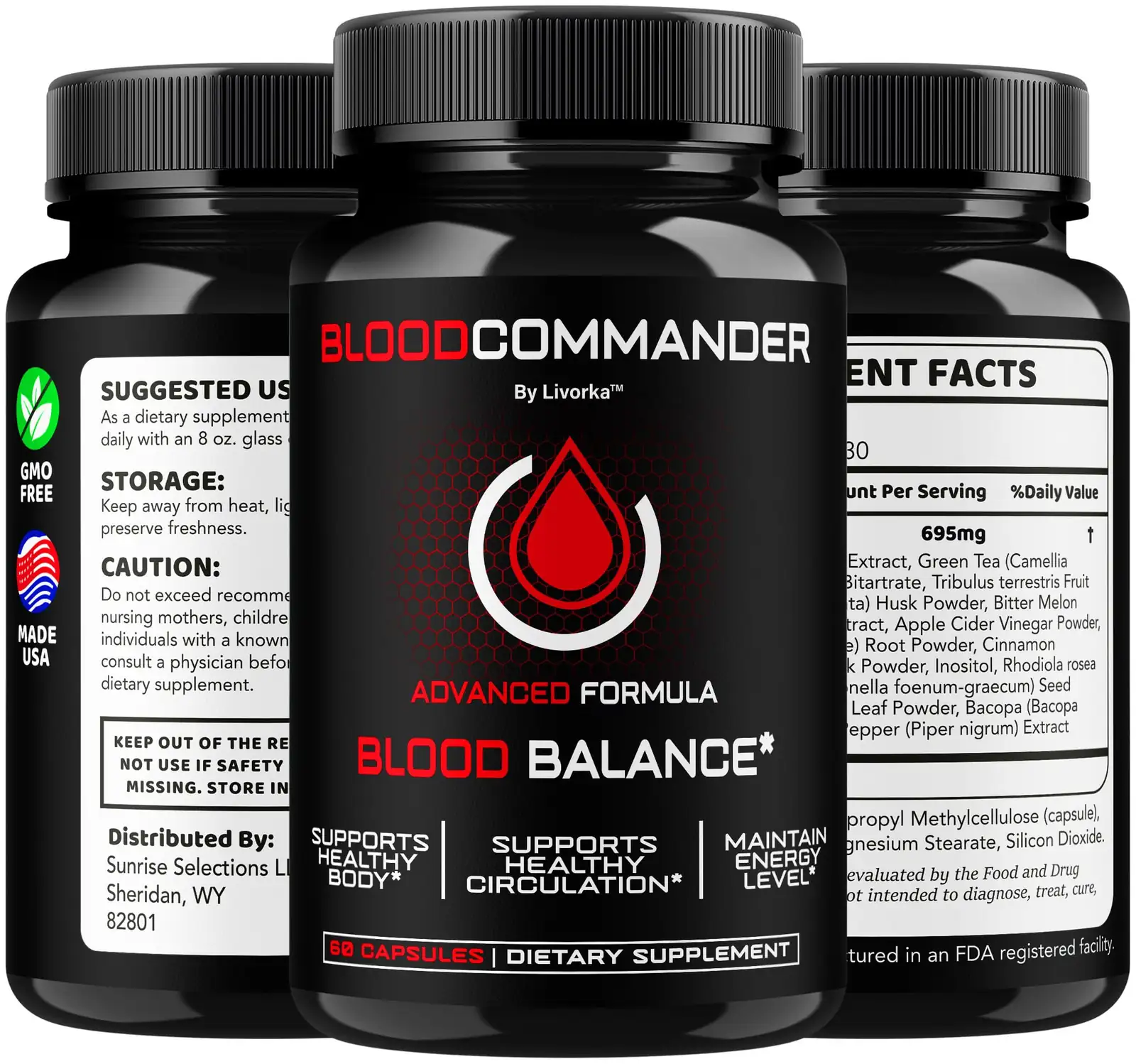
Blood Commander brings these together: a 695 mg botanical blend of cinnamon, bitter melon, fenugreek, psyllium husk, apple cider vinegar, green tea and mulberry leaf, in a simple two-capsule daily serving. For a closer look, read our guide to how cinnamon, fenugreek and bitter melon work, or see the full ingredients section.
Make it a daily habit
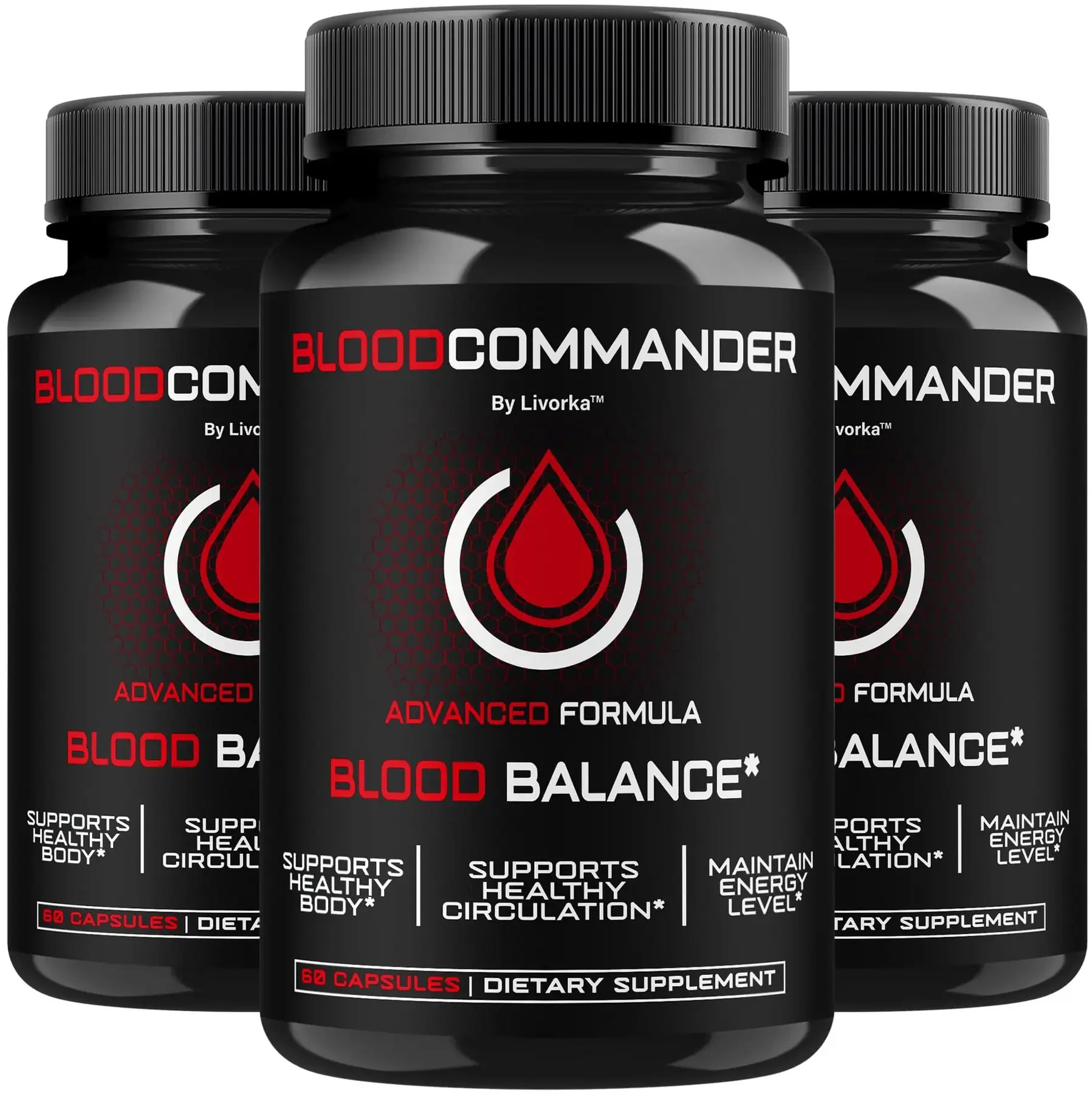
Blood Commander is a once-daily, two-capsule serving built on a 695 mg botanical blend. The six-bottle bundle is the best value at $49 per bottle, with free U.S. shipping and a 60-day guarantee.
Order Blood Commander — from $49/bottleHow do you build a simple daily routine?
The best routine is the one you will keep. Rather than overhauling everything at once, stack one small habit at a time until each feels automatic:
- Anchor breakfast in fibre — oats, berries and nuts — so the day starts heart-conscious.
- Add a vegetable to lunch and dinner before anything else on the plate.
- Take a 10-minute walk after your biggest meal.
- Swap one salty snack or sugary drink a day for fruit, nuts, water or tea.
- Protect a consistent bedtime so sleep does the quiet work.
- Take any supplement at the same time daily — for Blood Commander, two capsules with a glass of water.
Which habits work fastest? An at-a-glance table
A “fast” habit is one you feel within a day; a “slow” habit reshapes your baseline over weeks. Both matter. This table sorts the core habits by how quickly they help and how much effort they ask.
| Habit | Typical time to notice | Everyday effort |
|---|---|---|
| 10-15 min walk after a meal | Same day | Low |
| Break up long sitting | Same day | Low |
| Swap salty snacks & sugary drinks | Days | Low |
| Higher-fibre, whole-food meals | Days to weeks | Medium |
| Regular sleep & stress routine | Weeks | Medium |
| Consistent activity & healthy weight | Weeks to months | Higher |
Consistency turns any of these into a steadier month. Botanicals build their support gradually, so most people choose a multi-month supply to avoid running out mid-routine — compare the packages and pricing on the homepage.
When should you talk to a doctor?
Natural habits are for supporting blood and circulation already within a normal range; they are not a replacement for medical care. Speak with your doctor if you are pregnant or nursing, under 18, take any medication (especially blood-pressure or blood-thinning medicine), have a diagnosed heart condition, or notice symptoms such as chest discomfort, breathlessness, swelling, or persistent dizziness. A quick conversation ensures anything you add fits safely with your care.
Frequently asked questions
What does it mean to support circulation naturally?
It means using everyday food, movement, sleep and stress habits — and, optionally, well-studied nutrients and botanicals — to help keep blood and circulation already within a normal range steadier. It complements, rather than replaces, medical care.
Which foods support healthy circulation?
Foods rich in fibre, potassium, nitrates and healthy fats: leafy greens and beets, oats, beans, berries, nuts and seeds, and oily fish. Cutting excess salt and refined carbohydrates helps too.
Do botanicals like cinnamon and fenugreek support circulation?
Botanicals such as cinnamon, fenugreek, green tea and psyllium fibre have long traditions in heart- and blood-conscious routines. They are a support to diet and activity, not a treatment, and medication users should ask a doctor first.
How long does it take to notice steadier circulation?
A post-meal walk helps the same day, while broader diet, weight and fitness changes usually show over several weeks to a few months. Botanicals build their support gradually, and individual results vary.
Does walking really support circulation?
Yes. Regular movement is one of the most reliable ways to support healthy circulation, because working muscles keep blood flowing and support how flexibly your vessels respond.
Can I support circulation without giving up all my favourite foods?
For most people, yes. Focus on adding fibre, vegetables and healthy fats, keep portions sensible, and go easy on salt and sugary drinks rather than banning foods outright.
Try Blood Commander risk-free for 60 days →
Blood Commander is a dietary supplement, not a treatment for any medical condition. These statements have not been evaluated by the Food and Drug Administration. This product is not intended to diagnose, treat, cure or prevent any disease. Always consult a qualified healthcare professional about your individual needs.
References & further reading
- National Center for Complementary and Integrative Health (NCCIH). Cinnamon. nccih.nih.gov/health/cinnamon
- National Center for Complementary and Integrative Health (NCCIH). Green Tea. nccih.nih.gov/health/green-tea
- National Institutes of Health, Office of Dietary Supplements. Choline — Fact Sheet for Health Professionals. ods.od.nih.gov/factsheets/Choline-HealthProfessional
- Ramezani F, Pourghazi F, Eslami M, et al. Dietary fiber intake and all-cause and cause-specific mortality: an updated systematic review and meta-analysis of prospective cohort studies. Clinical Nutrition, 2024. PMID 38011755
- Jovanovski E, Yashpal S, Komishon A, et al. Effect of psyllium (Plantago ovata) fiber on LDL cholesterol and alternative lipid targets, non-HDL cholesterol and apolipoprotein B: a systematic review and meta-analysis of randomized controlled trials. American Journal of Clinical Nutrition, 2018. PMID 30239559
- Onagbiye S, Bester P, Ricci C, et al. Association of sedentary time with risk of cardiovascular diseases and cardiovascular mortality: a systematic review and meta-analysis of prospective cohort studies. Preventive Medicine, 2024. PMID 38081421
- Benjamim CJR, Porto AA, Valenti VE, et al. Nitrate derived from beetroot juice lowers blood pressure in patients with arterial hypertension: a systematic review and meta-analysis. Frontiers in Nutrition, 2022. PMID 35369064
- Khalesi S, Sun J, Buys N, et al. Green tea catechins and blood pressure: a systematic review and meta-analysis of randomised controlled trials. European Journal of Nutrition, 2014. PMID 24861099
- Examine.com. Psyllium. examine.com/supplements/psyllium
These references describe the ingredients and habits in general terms and do not constitute evidence that any product treats, cures or prevents any condition.
Keep reading: the best foods for a healthy heart · how cinnamon, fenugreek and bitter melon work · back to the Blood Commander blog · homepage.