Cinnamon, fenugreek and bitter melon: how they support healthy blood in Blood Commander
Cinnamon, fenugreek and bitter melon are three of the most familiar botanicals in blood- and heart-conscious wellness traditions — a kitchen spice, a fibre-rich seed and a traditional food eaten across three continents. This guide explains what each one is, the traditional role in plain language, and how they appear together inside the Blood Commander blend, with no medical claims.
Three traditional botanicals, in one place.
- Cinnamon
- A culinary bark rich in naturally occurring plant compounds, long used in everyday metabolic-wellness traditions.
- Fenugreek
- A fibre-rich seed used for centuries in cooking and traditional wellness, common in heart- and blood-focused blends.
- Bitter melon
- A traditional food across Asia, Africa and the Caribbean, long part of blood-conscious wellness.
- How they are used
- As a general support to a balanced diet and active lifestyle — not as a treatment for any disease.
- In Blood Commander
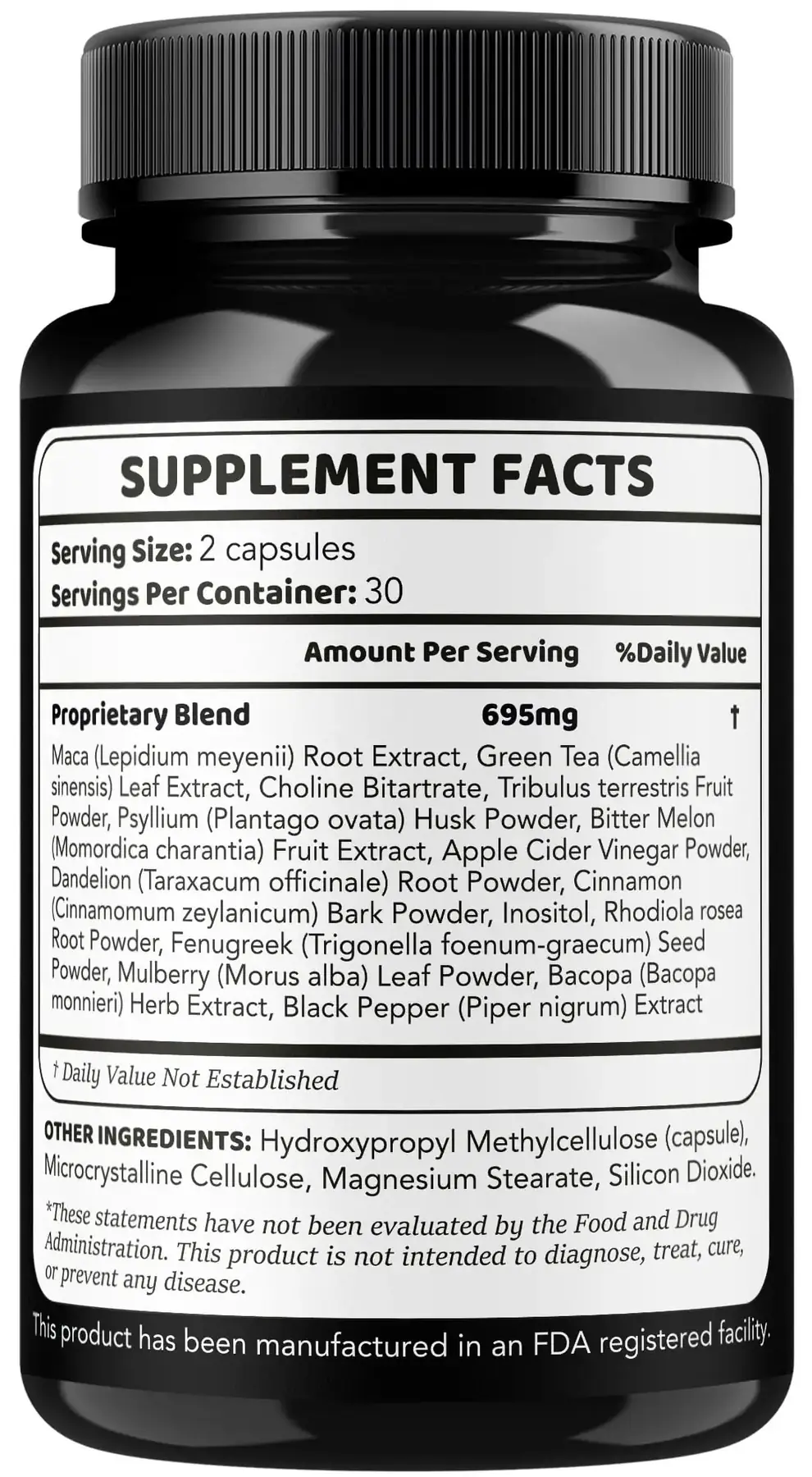
- All three sit inside a 695 mg proprietary blend alongside psyllium husk, green tea, mulberry and more.
Supplement labels can read like a foreign language, so the goal here is plain English. We describe the traditional and general use of each botanical, link to an independent reference for each, and are careful not to promise outcomes. Botanicals are a support to good habits, not a shortcut around them.
Cinnamon: the everyday kitchen botanical
Cinnamon is the dried inner bark of trees in the Cinnamomum family; Blood Commander uses Cinnamomum zeylanicum, often called “true” or Ceylon cinnamon. Beyond the kitchen, cinnamon has one of the longest histories of any spice in traditional wellness, valued for the naturally occurring plant compounds that give it its warmth and aroma.
In modern supplements, cinnamon is one of the most familiar botanicals discussed in the context of everyday metabolic balance. It is included as a general support alongside a balanced diet, not as a treatment. It is also the most-studied of the three: an updated dose-response meta-analysis of randomised trials by Moridpour and colleagues in Phytotherapy Research (2024) pooled cinnamon supplementation in people with type 2 diabetes and reported small average changes in glycaemic markers, with wide variation between trials and doses far higher than a shared 695 mg blend could supply. If you want a neutral plain-language overview instead, the NIH’s complementary-health center keeps one.
Reference: NIH NCCIH — Cinnamon →
Fenugreek: the fibre-rich seed
Fenugreek (Trigonella foenum-graecum) is a small, golden seed with a maple-like aroma, used for centuries across South Asian, Middle Eastern and Mediterranean cooking. Its defining feature for wellness formulas is soluble fibre, the same category of fibre found in oats and psyllium, along with its own naturally occurring plant compounds.
Because of that fibre content, fenugreek is a common feature of both blood-sugar- and heart-focused blends, where it is used as part of a fibre-forward routine rather than as a standalone remedy. A systematic review and meta-analysis by Shakil and colleagues in Annals of Medicine and Surgery (2024) gathered the trials of Trigonella foenum-graecum in people with diabetes; the authors describe the pooled evidence as promising but limited by small, heterogeneous studies.
Reference: NIH NCCIH — Fenugreek →
Bitter melon: the traditional food from three continents
Bitter melon (Momordica charantia) is a knobbly green gourd eaten as a vegetable across Asia, Africa and the Caribbean. As its name suggests, it is genuinely bitter, and it has a long history in traditional wellness traditions focused on healthy blood. In supplements it appears as a concentrated fruit extract, so a little goes a long way compared with eating the whole gourd.
The clinical picture is modest. A systematic review and meta-analysis by Peter and colleagues in the Journal of Ethnopharmacology (2019) pooled randomised trials of Momordica charantia in people with type 2 diabetes and found a small reduction in fasting glucose against placebo, with the authors calling for larger, better-designed trials before drawing conclusions.
As with any concentrated botanical, bitter melon is best treated with the same common sense as any supplement: it is a support to a healthy lifestyle, and people who are pregnant or nursing, under 18, or taking medication should check with a doctor first.
Reference: Examine.com — Bitter Melon →
See the full Blood Commander blend →
How do the three compare?
Each botanical brings something a little different to a blend. This table lines them up side by side, in plain language.
| Botanical | What it is | Traditional / general role |
|---|---|---|
| Cinnamon | Dried bark (Cinnamomum zeylanicum) | Culinary spice long used in everyday metabolic-wellness traditions. |
| Fenugreek | Fibre-rich seed (Trigonella foenum-graecum) | Soluble-fibre seed common in blood- and heart-conscious blends. |
| Bitter melon | Fruit extract (Momordica charantia) | Traditional food from Asia, Africa and the Caribbean. |
What else is in the blend with them?
Cinnamon, fenugreek and bitter melon are three of fifteen botanicals and nutrients in the Blood Commander proprietary blend. They sit alongside psyllium husk for soluble fibre — the same soluble fibre carried by the oats, beans and barley in our list of the best foods for a healthy heart — green tea for polyphenols, mulberry leaf, apple cider vinegar, maca, rhodiola, bacopa, inositol, choline and a small amount of black pepper extract, which is included as piperine to round out the formula.
| Also in the blend | Category | Why it is included |
|---|---|---|
| Psyllium husk | Soluble fibre | A well-known fibre for a fibre-forward, heart-conscious routine. |
| Green tea leaf | Polyphenol source | A rich natural source of antioxidants. |
| Mulberry leaf | Traditional botanical | Long paired with cinnamon and bitter melon in wellness blends; tested in normoglycaemic adults by Lown et al., PLoS One (2017). |
| Apple cider vinegar | Fermented extract | A familiar addition to metabolism-focused routines. |
| Black pepper extract | Piperine | Traditionally added to complement other botanicals. |
Get all fifteen in one daily blend
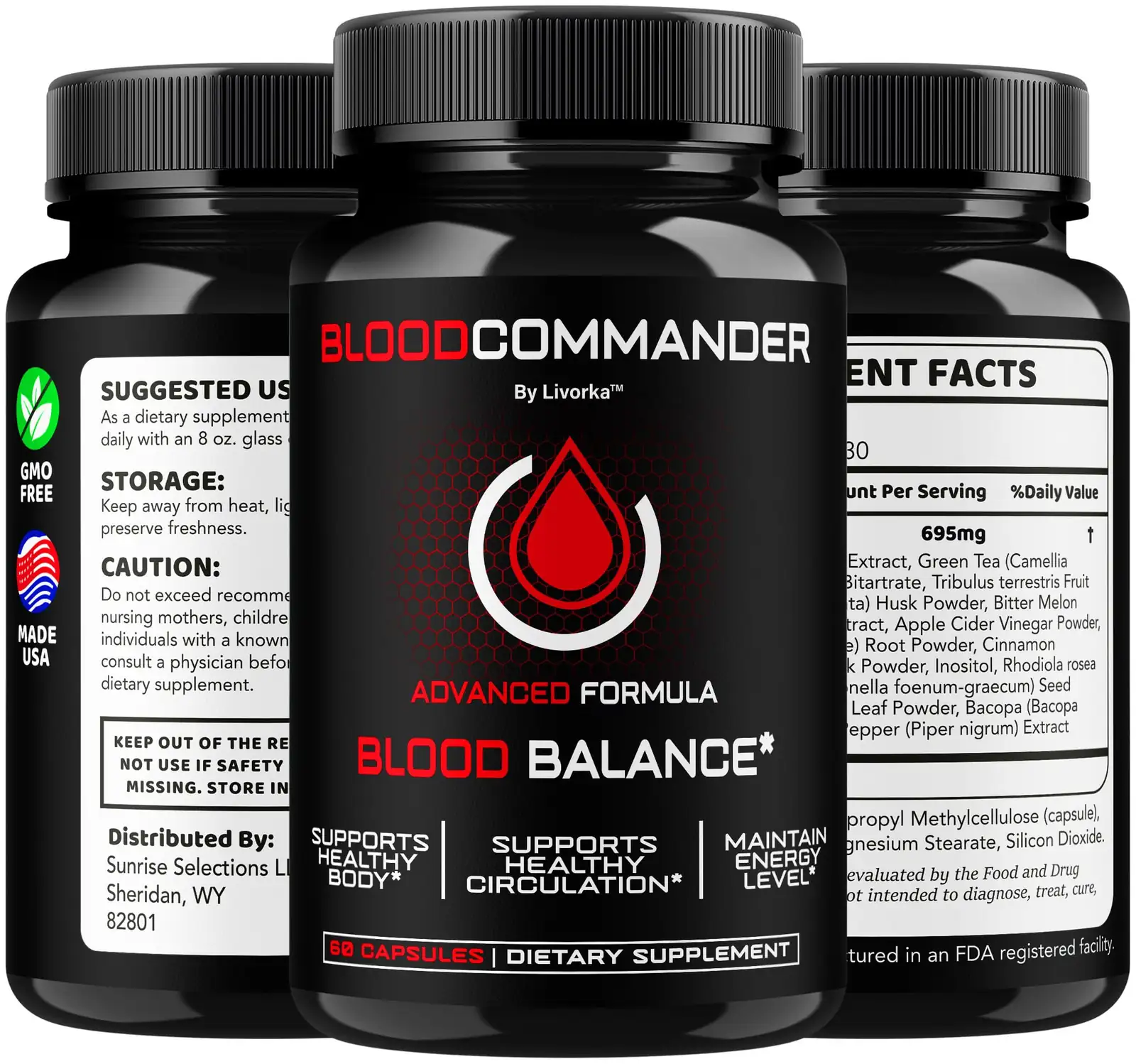
Blood Commander brings cinnamon, fenugreek, bitter melon and twelve more botanicals together in a 695 mg blend, two capsules a day. The six-bottle bundle is the best value at $49 per bottle, with free U.S. shipping and a 60-day guarantee.
Order Blood Commander — from $49/bottleHow to read a proprietary blend
Blood Commander lists its actives as a single 695 mg proprietary blend, which means the amounts of the individual ingredients are grouped together rather than broken out one by one. This is common across the supplement industry. Ingredients in a blend are listed in descending order by weight, so those named first are present in the largest amounts. You can see the complete, transcribed blend on the Supplement Facts panel, and read a short profile of each headline active in the ingredients section.
Sensible expectations and safety
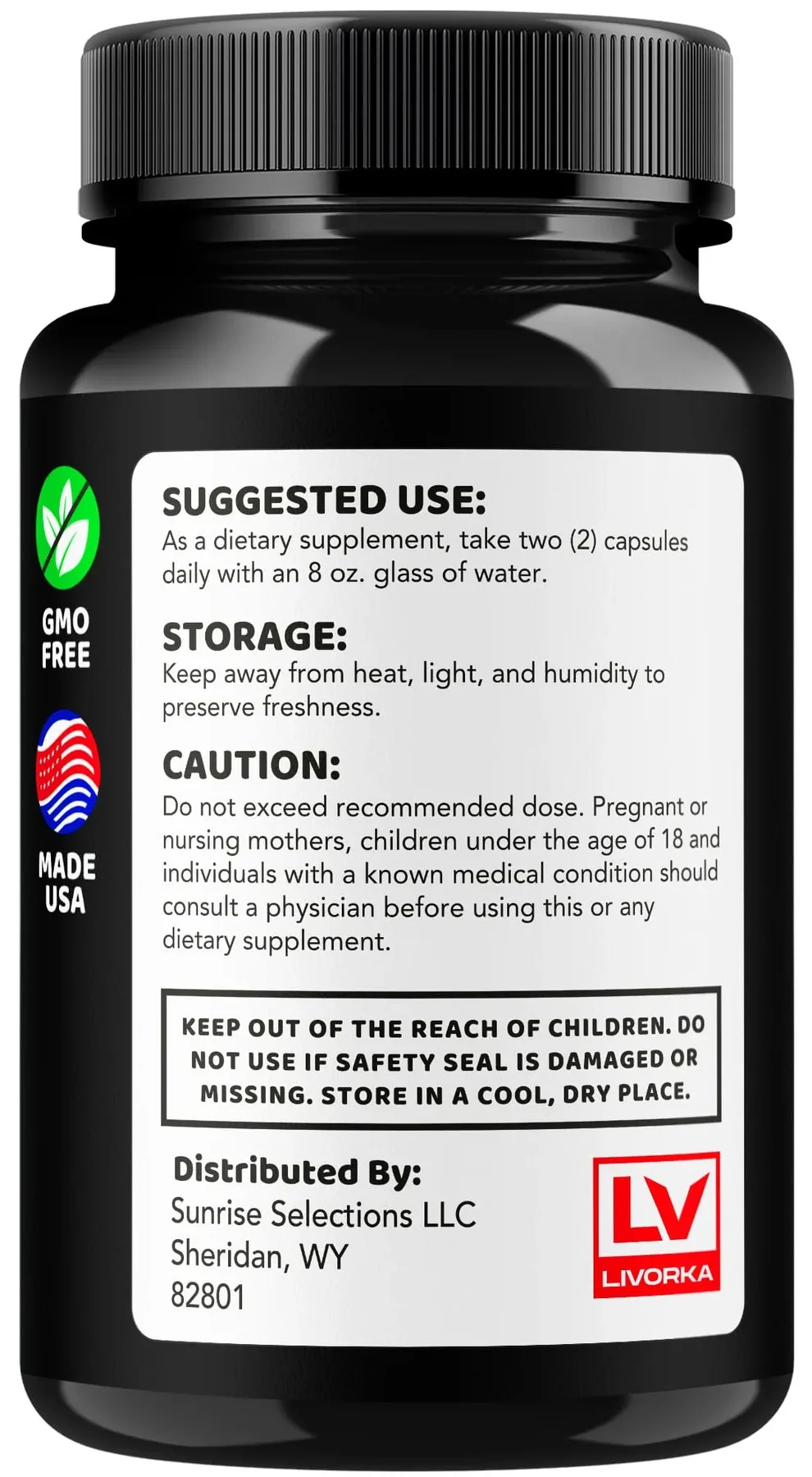
Botanicals build their support gradually and work best as part of a bigger picture: a fibre-rich diet, regular movement, good sleep and sensible portions — the everyday habits set out in our guide to supporting healthy circulation naturally. They are not a treatment for any condition, and they do not replace medication. If you are pregnant or nursing, under 18, take any medication (especially glucose-lowering or blood-pressure medicine), or have a diagnosed condition, talk with your doctor before adding any new supplement, including this one.
Frequently asked questions
What do cinnamon, fenugreek and bitter melon have in common?
All three are traditional foods and botanicals with long histories in wellness traditions focused on healthy blood sugar and everyday metabolic balance. They are commonly combined in blood-conscious supplement blends.
How is cinnamon used in supplements?
Cinnamon bark is a familiar culinary spice included in many wellness blends for its naturally occurring plant compounds. It is used as a general support to a balanced diet, not as a treatment for any condition.
What is fenugreek and why is it in the blend?
Fenugreek is a fibre-rich seed used for centuries in cooking and traditional wellness. It is a common feature of both blood-sugar- and heart-focused formulas because of its soluble fibre and plant compounds.
Is bitter melon safe?
Bitter melon is a traditional food eaten across Asia, Africa and the Caribbean. As with any concentrated botanical, people who are pregnant or nursing, under 18, or taking medication should speak with a doctor before use.
How much of each is in Blood Commander?
Blood Commander uses a 695 mg proprietary blend, so the individual amounts of each botanical are not listed separately on the label. The full ingredient list is transcribed on the product page.
Can these botanicals replace medication or a healthy diet?
No. Botanicals are a support to a balanced diet and active lifestyle, not a substitute for either and not a replacement for prescribed medication. Always consult your doctor before making changes.
Try Blood Commander risk-free for 60 days →
Blood Commander is a dietary supplement, not a treatment for any medical condition. These statements have not been evaluated by the Food and Drug Administration. This product is not intended to diagnose, treat, cure or prevent any disease. Always consult a qualified healthcare professional about your individual needs.
References & further reading
- National Center for Complementary and Integrative Health (NCCIH). Cinnamon. nccih.nih.gov/health/cinnamon
- National Center for Complementary and Integrative Health (NCCIH). Fenugreek. nccih.nih.gov/health/fenugreek
- Examine.com. Bitter Melon (Momordica charantia). examine.com/supplements/bitter-melon
- Examine.com. Psyllium. examine.com/supplements/psyllium
- Moridpour AH, Kavyani Z, Khosravi S, et al. The effect of cinnamon supplementation on glycemic control in patients with type 2 diabetes mellitus: an updated systematic review and dose-response meta-analysis of randomized controlled trials. Phytotherapy Research, 2024. PMID 37818728
- Shakil S, Nawaz H, Rehman W, et al. Enhancing glycaemic control and promoting cardiovascular health: the therapeutic potential of Trigonella foenum-graecum in diabetic patients — a systematic review and meta-analysis. Annals of Medicine and Surgery, 2024. PMID 38846904
- Peter EL, Kasali FM, Deyno S, et al. Momordica charantia L. lowers elevated glycaemia in type 2 diabetes mellitus patients: systematic review and meta-analysis. Journal of Ethnopharmacology, 2019. PMID 30385422
- Lown M, Fuller R, Lightowler H, et al. Mulberry-extract improves glucose tolerance and decreases insulin concentrations in normoglycaemic adults: results of a randomised double-blind placebo-controlled study. PLoS One, 2017. PMID 28225835
These references describe the ingredients in general terms and do not constitute evidence that any product treats, cures or prevents any condition.
Keep reading: how to support healthy circulation naturally · the best foods for a healthy heart · back to the Blood Commander blog · homepage.